











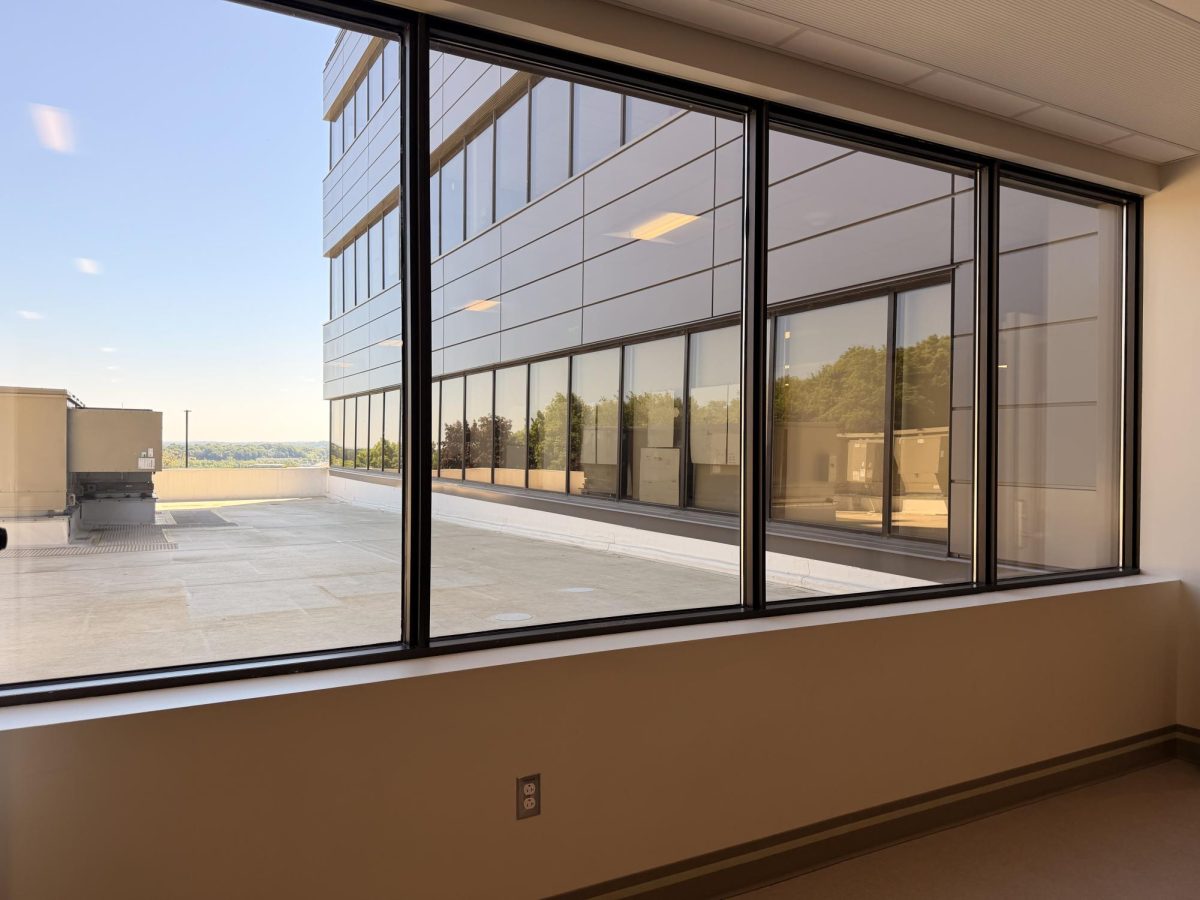
Every year, billions of birds die after colliding with windows and glass buildings, yet many people remain unaware of the problem. Researchers estimate that up to two billion birds are killed annually in the United States due to window collisions, making it one of the leading human-caused sources of bird mortality.
While many environmental issues receive significant public attention, bird-window collisions often go unnoticed despite their widespread impact. Birds frequently mistake reflections of trees, sky, and vegetation in glass for real habitat. At night, artificial lighting can further disorient migrating birds, drawing them toward urban areas and increasing the risk of collisions.
According to the U.S. Geological Survey, window collisions affect birds in both large cities and residential neighborhoods. Although skyscrapers often receive the most attention, homes and smaller buildings collectively account for a significant number of bird deaths each year.
For migratory birds, the danger is especially severe. Many species travel at night and rely on natural light cues to navigate. Bright lights from buildings can interfere with these patterns, causing birds to become confused and fly into glass structures. A 2021 study published in Scientific Reports found that collisions often increase during migration seasons, when large numbers of birds pass through urban areas.
The consequences extend beyond individual bird deaths. Birds play important roles in ecosystems by dispersing seeds, pollinating plants, and helping control insect populations. When bird populations decline, the effects can ripple through entire ecosystems. Research published in Ornithology Research has identified bird-window collisions as a significant contributor to biodiversity loss in many regions.
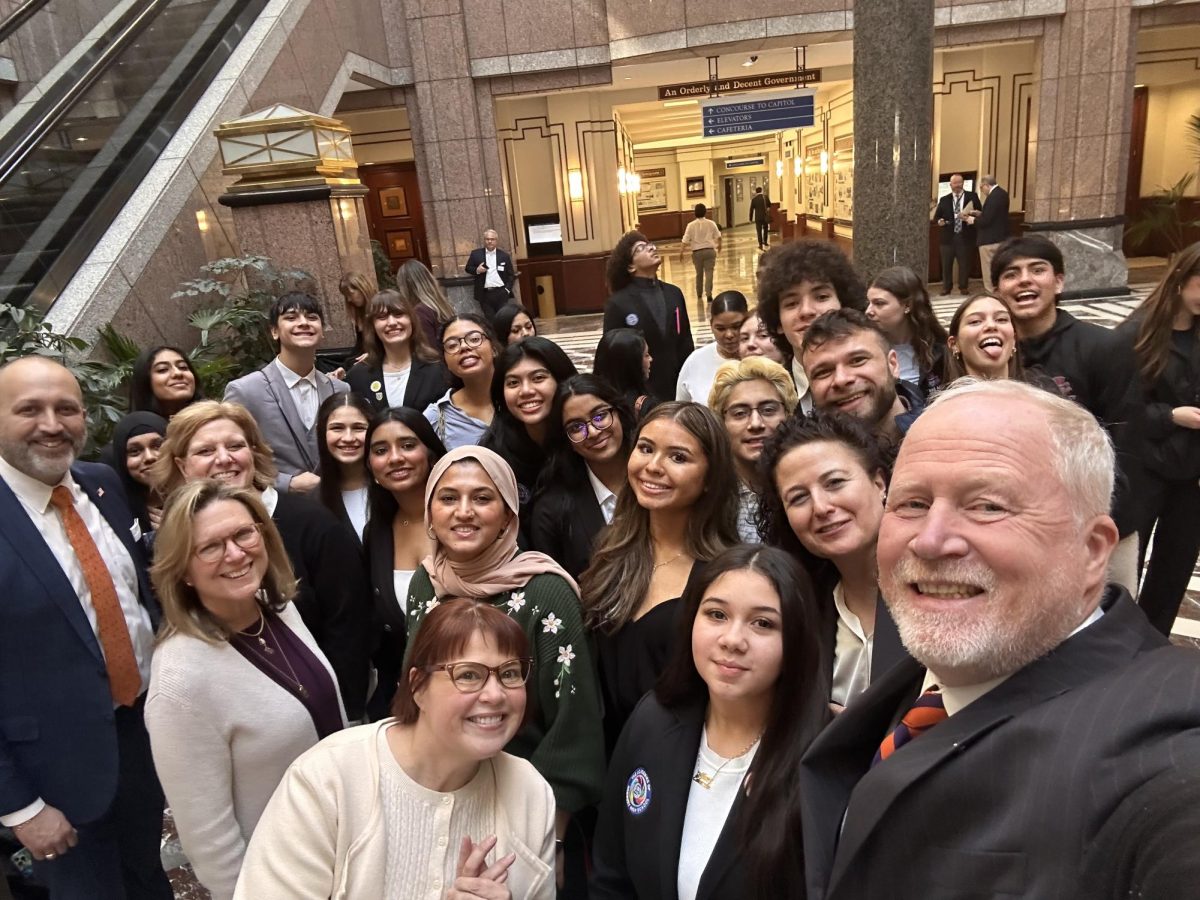
“There are so many environmental issues people hear about every day, but this is one that often flies under the radar,” said Samanda Ramirez, a junior participating in a Capstone project on bird-window collisions. “A lot of people don’t realize that something as simple as a window can have such a large impact on wildlife.”
Fortunately, experts say there are practical ways to reduce collisions. Bird-safe window decals, patterned glass, and reducing unnecessary nighttime lighting have all been shown to lower collision rates. Many cities across North America have also introduced “Lights Out” programs during migration seasons, encouraging buildings to turn off nonessential lights overnight.
Ashleigh Guaman, another student researching the issue, said one of the most surprising discoveries was how preventable many collisions are.
“When we started researching, I assumed there wasn’t much people could do,” she said. “But there are actually a lot of simple solutions that can make a difference.”
As urban areas continue to grow, researchers and conservation groups stress the importance of incorporating bird-friendly design into future buildings. Raising awareness may seem like a small step, but for many conservationists, it is one of the most important.
The next time you walk past a glass building or leave outdoor lights on at night, it may be worth considering the birds passing overhead. For them, a clear window can be far more dangerous than it appears.