


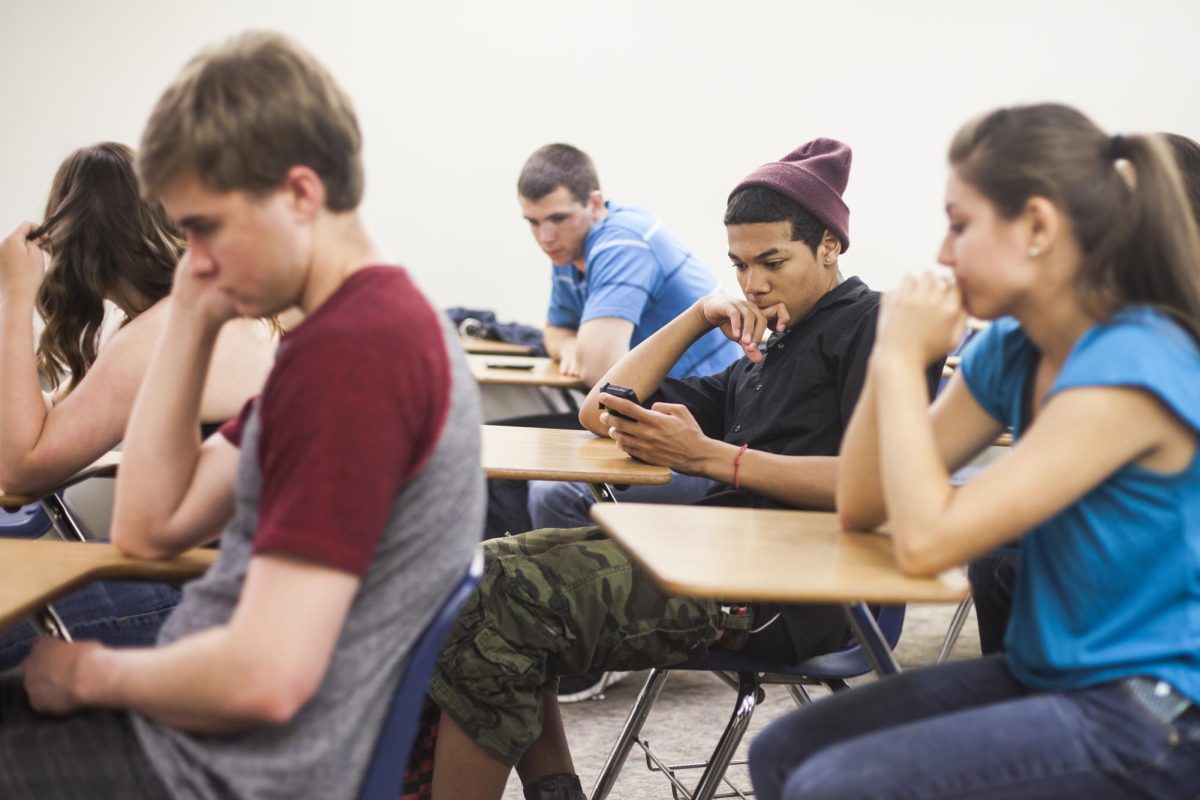













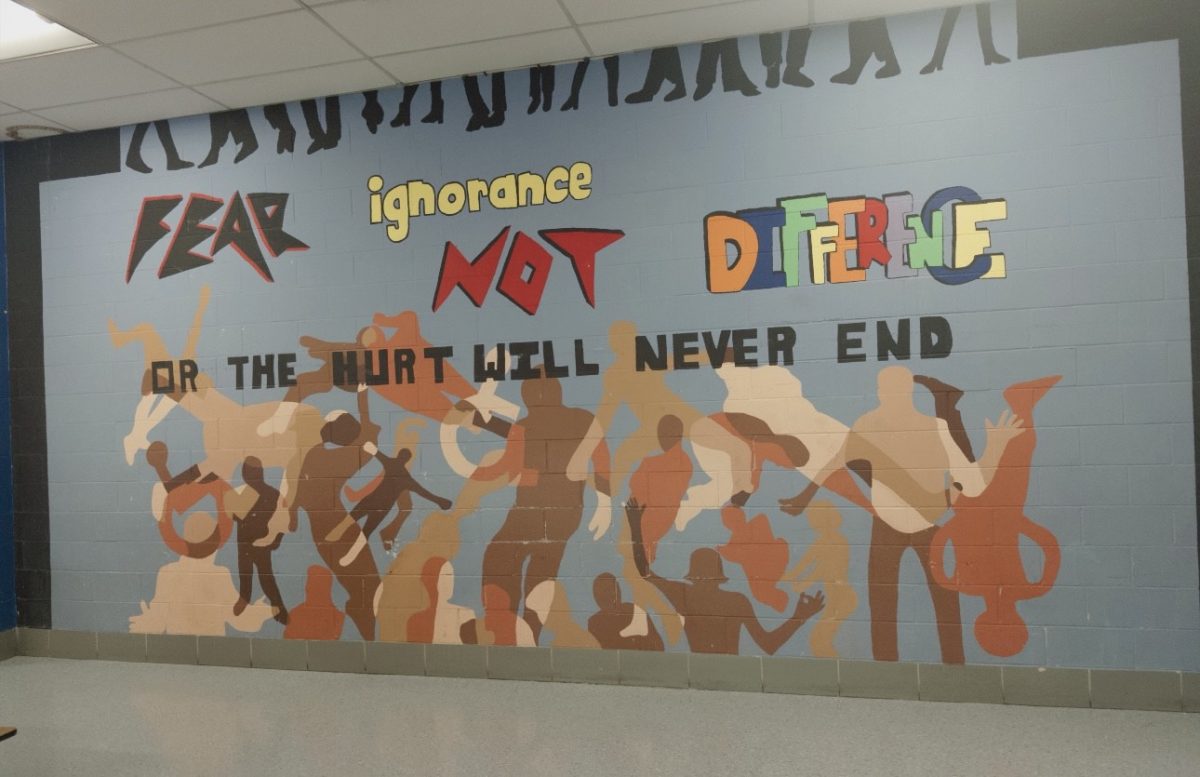
Teachers and students at Danbury High School (DHS) are finding new ways to bring diverse cultural perspectives into the classroom, ensuring lessons reflect the wide range of backgrounds represented in the student body. Being inclusive in classrooms allows students to feel comfortable in their learning environment, improving their performance.
Alden Mackay, an English teacher who joined DHS last year, shares her experience with bilingual students in her English classrooms.
When asked about how often she incorporates diversity into her classroom, Mackay said, “I teach an English class with many ESL students, so we have a wide range of cultures represented.”
“I try to speak their languages and learn about their traditions and foods,” Mackay said, “‘Culture is part of our daily conversations.’”
Mackay adapts her lessons daily to speak to them and create a welcoming environment for students from a variety of backgrounds.
She then adds that it is important for students to have an inviting environment to learn in, “Diversity helps students feel more comfortable. Hearing their language spoken or seeing peers who speak it can help them feel a sense of belonging.” She added, “It can be especially challenging for students who are new to the country or learning English.”
Other teachers share a similar goal and see areas where schools can improve. Rachel Korzendorfer, a history teacher at Danbury High School, agrees with what Mackay said about creating a comforting environment and also says how it’s important for students.
Korzendorfer explains that students feel more connected in classes when they have someone to look up to, but also that the school should encourage that connection by improving some aspects.
“‘When students can connect to something, it’s easier to get their buy-in. That said, representation in the curriculum alone isn’t enough. Schools would benefit from having a more diverse staff, which provides additional ways for students to see themselves reflected. But including diverse perspectives in lessons does help increase student engagement.”’
Students also notice how representation affects their classroom experience. Rania Abtan, a sophomore at DHS who is of Middle Eastern descent, said, “It’s nice to learn about other cultures, but sometimes my own culture isn’t included. That can make me feel left out.”
Another sophomore, Alondra Perez Leyva, who is of Mexican descent, added, “I feel more connected when I see examples of different cultures in class or school events. It makes me feel like everyone belongs here.”
Teachers say that many classes already include literature and lessons from around the world, from Latin America and Asia to Africa and Europe, which helps students engage more deeply in the material.
Some teachers even adjust their teaching format to create a better experience for students who have different ethnic backgrounds. “Diversity isn’t just in lessons, it’s in how we teach and connect with students,” Korzendorfer said.
“Overall, I try my best to make culture and diversity a consistent part of what we do,” she added. “Students need to see themselves and others included in what they learn, but there’s always room to improve.”
Melissa • Oct 28, 2025 at 12:15 pm
This is so inspirational
aurora flanagan • Oct 28, 2025 at 12:15 pm
this is beautiful i love this