













Across the world, women are at the frontlines of conflict, not as soldiers, but instead as civilians, mothers and daughters. From Sudan to Palestine, women have experienced sexual violence, exploitation, and separation of their families, all while standing brave.
Sudan is currently in a civil war that began in April 2023 between the SAF, led by General Abdel Fattah al-Burhan, and the RSF, led by General Hemedti (Mohamed Hamdan Dagalo). As a result of this, citizens try to leave their homes to avoid violence from the war.
After trying to seek refuge in displacement camps, many refugees are faced with even more cruelty. Mothers and daughters became primary targets, as sexual violence is weaponized as a tactic of war, deliberately used to terrorize women and exert control over communities.
The UN Humanitarian Coordination Forum (HCF) highlighted that risks of sexual violence and exploitation are heightened for Sudanese women and girls, “while in transit, in temporary shelters, or at border crossings.”
Many civilians caught in the Sudanese conflict seek safety in displacement camps, which are intended to serve as temporary shelters for people fleeing violence. These camps are meant to provide necessities, but in most situations, they fail to do so. The journey to get to these camps is often dangerous, which exposes civilians to further threats and abuse. For women, the threat of violence does not end when they leave their homes.
According to the United Nations Population Fund (UNFPA), Riman, a displaced and pregnant woman living in Gaza, described the instability of displacement camps, “My family and I have been displaced more than 18 times. We are staying in a place that feels like a grave.”
Riman’s testimony highlights how displacement camps are often temporary. Families are forced to move repeatedly, never knowing when violence will reach them again. For women, this constant instability increases physical danger while also taking a toll on their mental and emotional well-being.
Ibitsiam, a citizen of Gaza, told the United Nations Population Fund (UNFPA) her experience as a woman in Gaza, “Women have experienced immense loss, including the death or imprisonment of relatives… Looking for water, living without any privacy, and constantly worrying — it’s exhausting.”
Ibitsiam’s words reflect the daily struggles women face beyond physical violence. Basic survival tasks become overwhelming, especially while caring for families in overcrowded and unsafe environments.
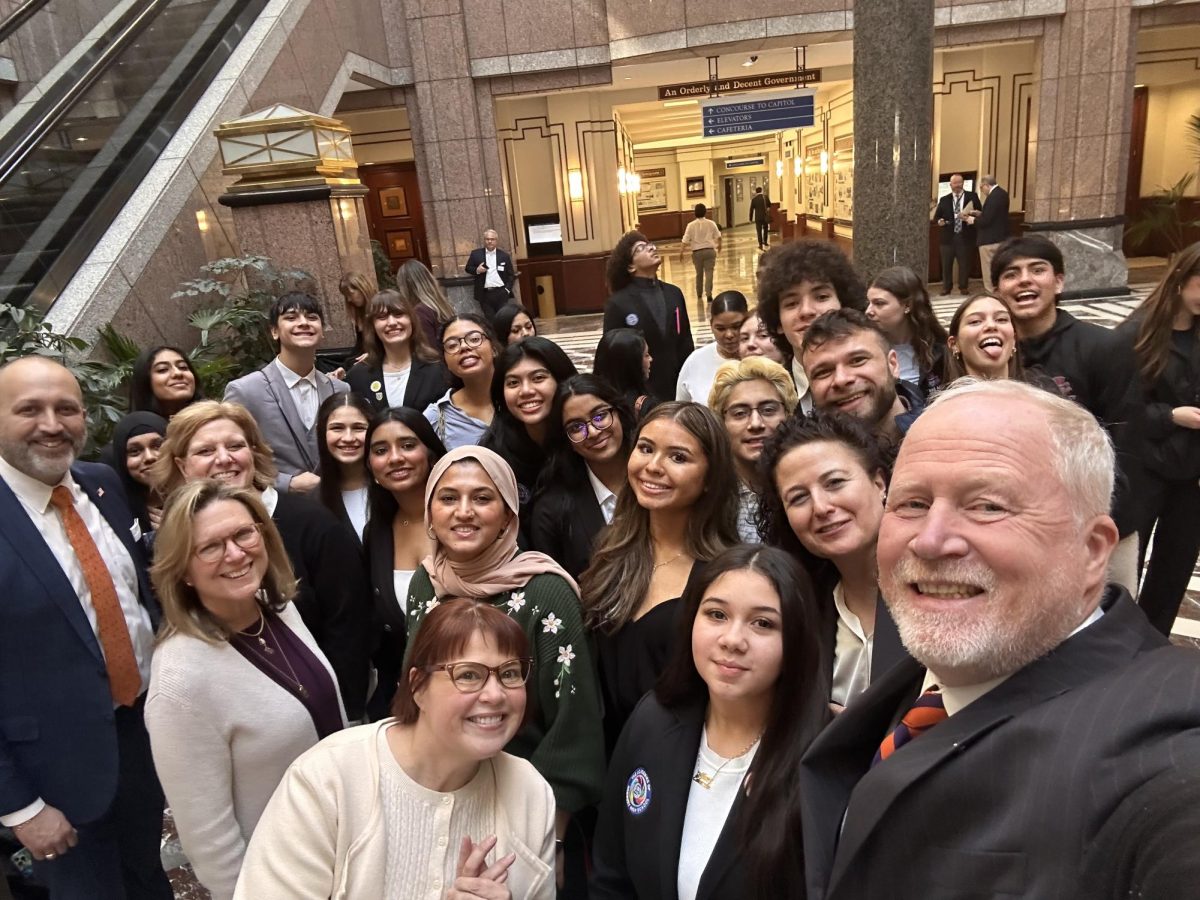
JP Wiblishauser, a student at Danbury High School, reflects on this issue by voicing his deep concern for women living under constant threats of violence, “Women’s suffering during war goes beyond direct violence. Displacement forces mothers to make impossible choices, whether to flee for safety or stay behind to protect their family members, even when both options carry risk.”
For many Palestinian women, the consequences of war extend beyond violence alone. Displacement exposes them to exploitation, family separation, and lasting grief as they struggle to protect their loved ones and survive without stability.
According to testimonies collected by humanitarian organizations documenting displacement in Gaza, refugee and mother Inshirah Darabeh explained, “My husband and I were forced to leave our home in the north in the first few weeks of the war.”
While Inshirah and her husband sought safety in a displacement camp, her daughter and granddaughter remained behind in Gaza. They were later killed in an airstrike on Gaza City.
Her story highlights how displacement often separates families rather than protecting them, leaving women to carry lasting grief even after escaping immediate danger.
Women on the frontlines carry burdens that are often invisible to the world. Their stories aren’t just about survival, but also resilience. Emniyah Henry, a student at Danbury High School, deepens this view: “War shows us the cruelest truths, but in the women who endure it, we see the strongest lessons about survival and humanity.”