










Puerto Rican superstar Benito Antonio Martínez Ocasio, better known as Bad Bunny, took the Super Bowl 2026 halftime show and turned it into a statement far bigger than music. The Super Bowl, watched by tens of millions, became a platform for cultural visibility as Bad Bunny performed almost entirely in Spanish. He highlighted every country in the Americas, closing with a message of unity in a time of heightened social and political division.
Even in the face of criticism, including from political leaders who dismissed him for performing in Spanish, Bad Bunny’s performance resonated deeply with Hispanic communities and audiences worldwide, reminding viewers that representation, pride, and togetherness can take center stage on one of the world’s biggest platforms.
Before even performing at the Super Bowl, Bad Bunny had already made his intentions throughout his performance clear. In interviews leading up to the show, he states, “Music is universal. You can connect heart to heart just with a song without any lyrics. That’s the only thing I want people to know, and feel after my show.”
While many people felt harshly about Bad Bunny’s performance because he sang mostly in Spanish, others also felt positive about his performance. Some critics argued that because the Super Bowl is such a major American event, the performance should have been easier for everyone watching to understand. Others questioned whether performing mostly in Spanish would connect with the broader audience
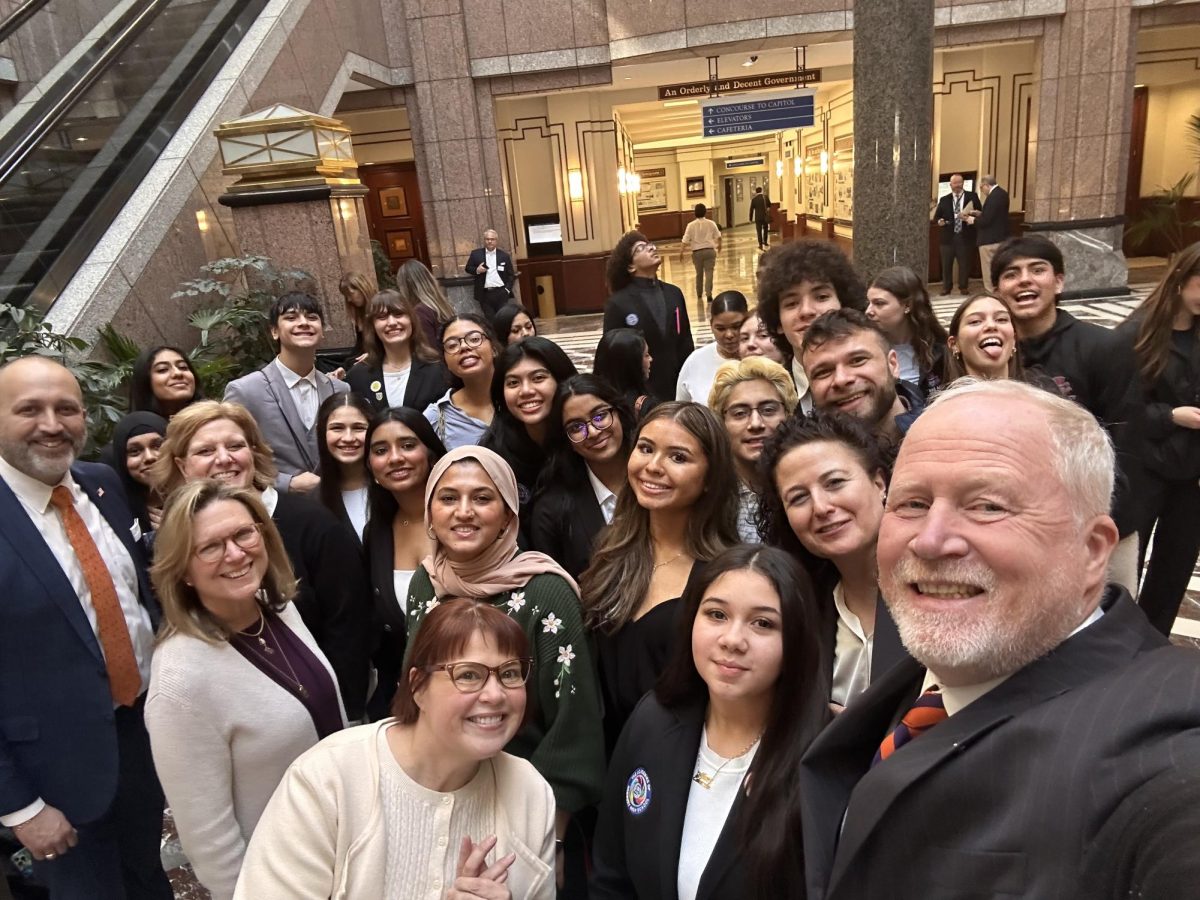
DHS student Alondra Perez Leyva explained why Bad Bunny performing at one of the biggest parts of American culture felt so important to her, “Seeing him perform in spanish meant everything. It proved we don’t have to change who we are to belong here. Our culture deserves to be celebrated, not critiqued.”
For Perez and many others, the halftime show was more than entertainment; it was a moment of recognition. The performance left a lasting impression about identity, unity, and what representation can look like on a national stage. Moments like this can help younger audiences feel seen and valued, especially when they rarely see their language or culture highlighted in major American events.
Anthony Da Silva, a student at DHS, explained why the halftime show felt so meaningful in today’s world: “In a world that feels divided and full of tension, seeing Bad Bunny perform reminded me that music can bring us together. It showed that our culture, our voices, and our pride matter, even now.”
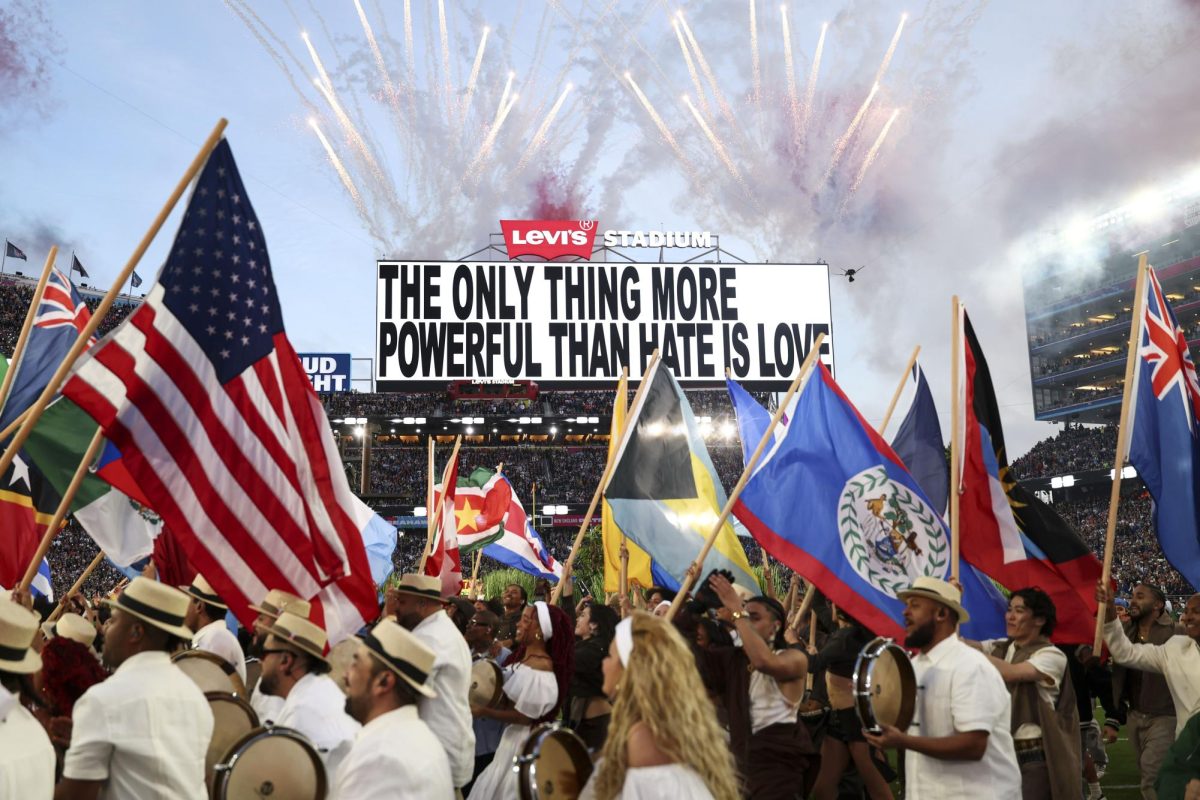
Throughout the halftime show, Bad Bunny used visuals and stage moments to reinforce his message. At one point during the performance, the stage displayed different countries across Latin America, highlighting the diversity of cultures that make up the region. The dancers, colorful lighting, and Latin-inspired choreography reflected traditions and music styles that have influenced his career, bringing those elements to a global audience watching the game.
The final moments of the show carried some of the strongest symbolism. As the performance ended, Bad Bunny held up a football with the words, “Together we are America”, written on it before sending it into the crowd like a touchdown pass. The moment connected the message of unity directly to the sport itself, tying together the cultural theme of the performance with one of the biggest traditions in American sports.
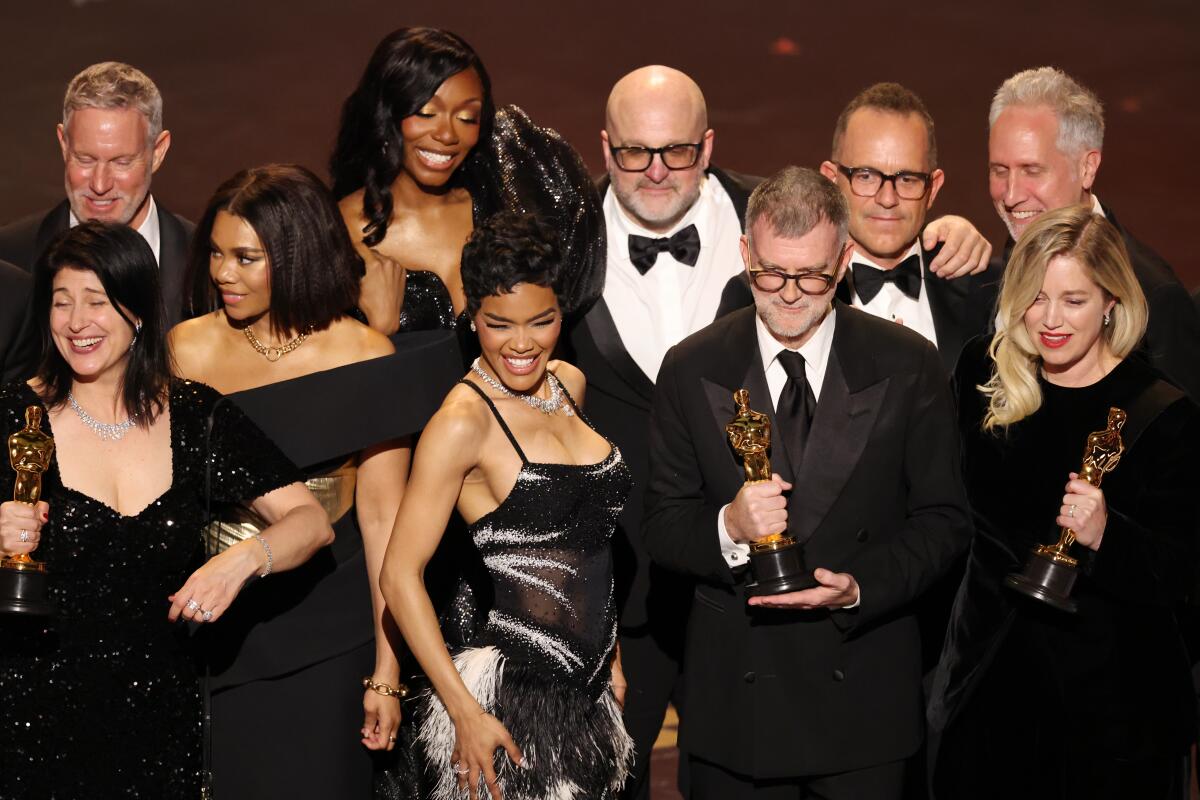
Ultimately, Bad Bunny’s halftime show became a cultural moment that transcended music. By centering Latin American identity and calling for unity, he transformed the Super Bowl into a moment of representation and connection, demonstrating how entertainment can convey meaningful messages. As Bad Bunny himself said during his Grammys acceptance speech at the Grammy Awards, “The only thing more powerful than hate is love.”