











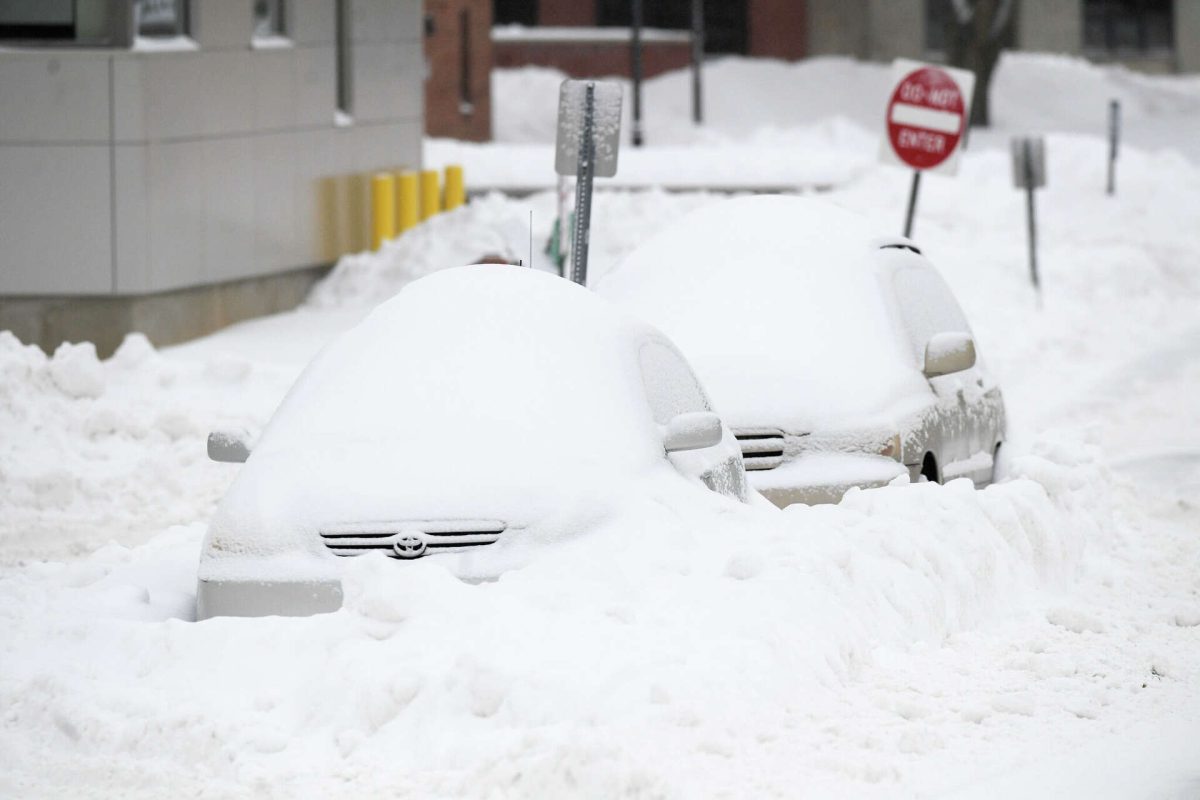




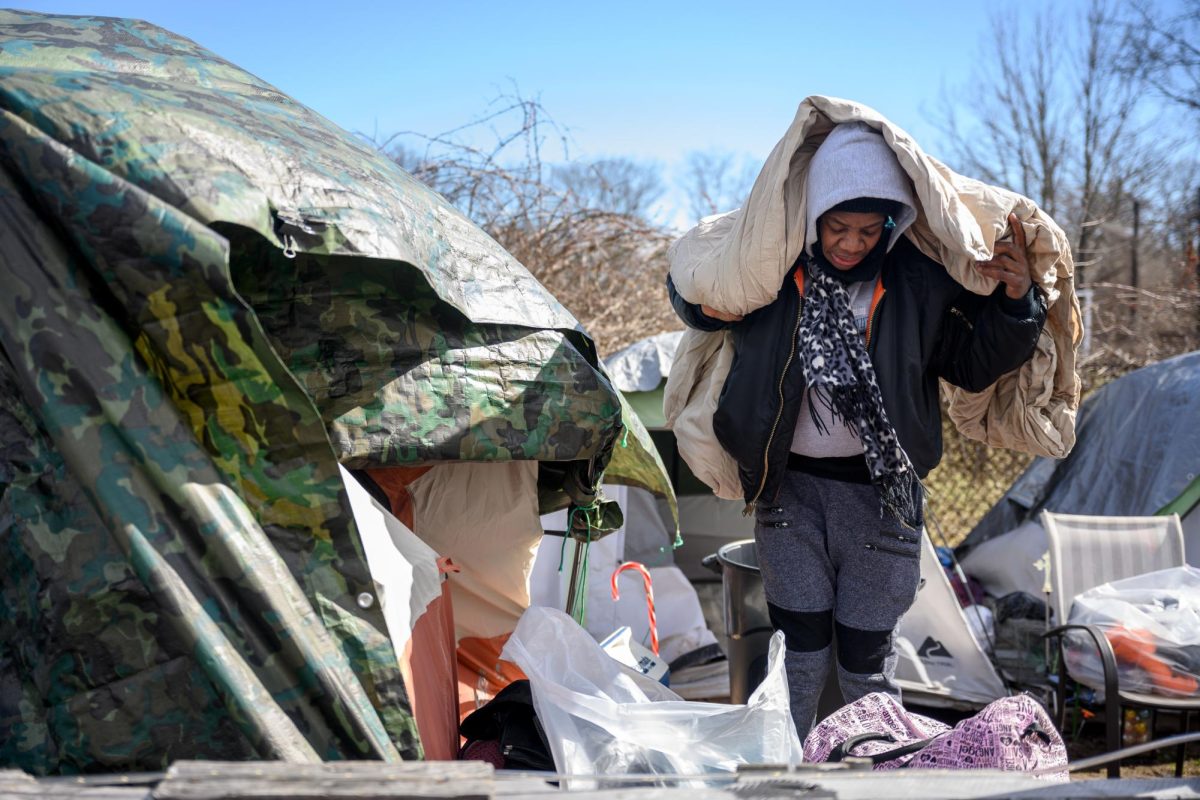
This winter in Connecticut, temperatures have dropped below freezing, and for most people, this means turning up the heat or layering on another blanket. For those without a home, however, winter can become a fight to survive.
In recent years, homelessness in Connecticut has become less visible to some and more urgent to others. Emergency shelters fill quickly during the colder months, and when temperatures drop below freezing, outreach teams work late into the night trying to connect people to warming centers. Even then, not everyone has access to a bed or accepts help.
While statewide initiatives and nonprofit organizations work to provide emergency shelter and long-term housing, the human cost of homelessness is often reduced to numbers and funding debates. What gets lost are the stories of the people living it, and the emotional weight they carry long after winter ends.
Sophomore Kesha Lau says she notices how quickly people look away when confronted with visible poverty.
“I think people try not to see it,” Lau said, “If someone is standing on the side of the road with a sign, a lot of drivers just drive by. It’s uncomfortable. But just because it makes us uncomfortable does not mean it isn’t real for them every second.”
Lau believes the hardest part to grasp is the unpredictability that comes with not having stable housing.
“If you don’t know where you are sleeping that night, you cannot focus on anything else,” she said, “I stress about homework and tests. I can’t imagine stressing about survival at the same time.”
For many experiencing homelessness, winter magnifies every risk. Frostbite, illness, hunger, and exhaustion become constant threats. Public libraries and diners become temporary refuges during the day. At night, the options are slim: some people sleep in cars, while others rely on overcrowded shelters.
Families with children often face the added fear of being separated if they cannot secure appropriate accommodations.
Junior Adrian Villavicencio says the crisis feels closer than many realize.
“A lot of people think homelessness only exists in big cities,” Villavicencio said. “But it’s here. It’s in Danbury. Some of the people you see every day might be going through it, and you would not even know.”
Villavicencio emphasized how stereotypes shape public perception and policy.
“People assume it is because of laziness or bad choices,” he said. “But a lot of the time it’s medical bills, losing a job, rent going up, or family problems. One thing goes wrong, and everything collapses. It’s not that simple.”
Connecticut’s rising housing costs have made stability fragile for many working families. Rent increases outpace wages in many areas, and affordable housing units are limited. For those living paycheck to paycheck, a single emergency can lead to eviction. Once someone enters the cycle of homelessness, climbing back out can feel impossible without consistent support.
Senior Sierra Forgue says the emotional toll is something people rarely discuss.
“I think the worst part would be feeling invisible,” Forgue said. “Not just physically outside, but socially outside. Like the world is moving on without you and you are stuck.”
Forgue added that homelessness strips away privacy and dignity in ways that are difficult to understand unless experienced firsthand.
“Imagine having no place to just be alone,” she said. “No door to close. No space that is yours. You would constantly feel exposed.”
Beyond physical safety, homelessness often brings isolation. Friendships can strain under the pressure of instability. Employment becomes harder to maintain without reliable transportation or access to hygiene facilities. Students experiencing homelessness may struggle to complete assignments or attend school regularly, even if they try to hide their circumstances from classmates.
Advocates argue that homelessness is not just about housing but also about healthcare, wages, addiction recovery services, and mental health resources. Many individuals experiencing homelessness are dealing with untreated trauma or chronic illness. Without accessible support systems, their situations can worsen quickly.
Some shelters in Connecticut rely heavily on volunteers who prepare meals, organize donations, and offer companionship. Their work often goes unnoticed, yet it forms the backbone of many support systems that keep people safe during the coldest months of the year.
Even with community support, the experience of homelessness can leave lasting scars. Studies show higher rates of chronic illness, anxiety, depression, and barriers to employment among those who have experienced long term housing instability. Children who grow up without stable housing are more likely to face educational disruptions that follow them into adulthood.
Villavicencio believes the conversation needs to shift from blame to collective responsibility.
“If we talk about it like it is their fault, nothing changes,” he said. “But if we talk about it like it is our community’s issue, then maybe we actually fix something. It should not just be their burden.”
For Lau, the solution begins with empathy and small actions that challenge indifference.
“You do not have to solve homelessness by yourself,” she said. “But you can acknowledge someone. You can donate clothes or food. You can volunteer. Just don’t pretend they are not there.”
Homelessness in Connecticut is not an abstract policy debate. It is a winter night spent in a car with the engine running to stay warm. It is a parent skipping meals so their child can eat. It is a teenager trying to finish homework under the dim light of a shelter hallway while hoping classmates never find out.
As temperatures continue to fall, the question is not whether the crisis exists. It is whether the rest of the community is willing to see it clearly, speak about it honestly, and respond with more than silence. As student Lau said, “They still get cold. They still get scared. They still have families and memories and dreams. Losing a house does not mean losing your humanity. They are still human.”